
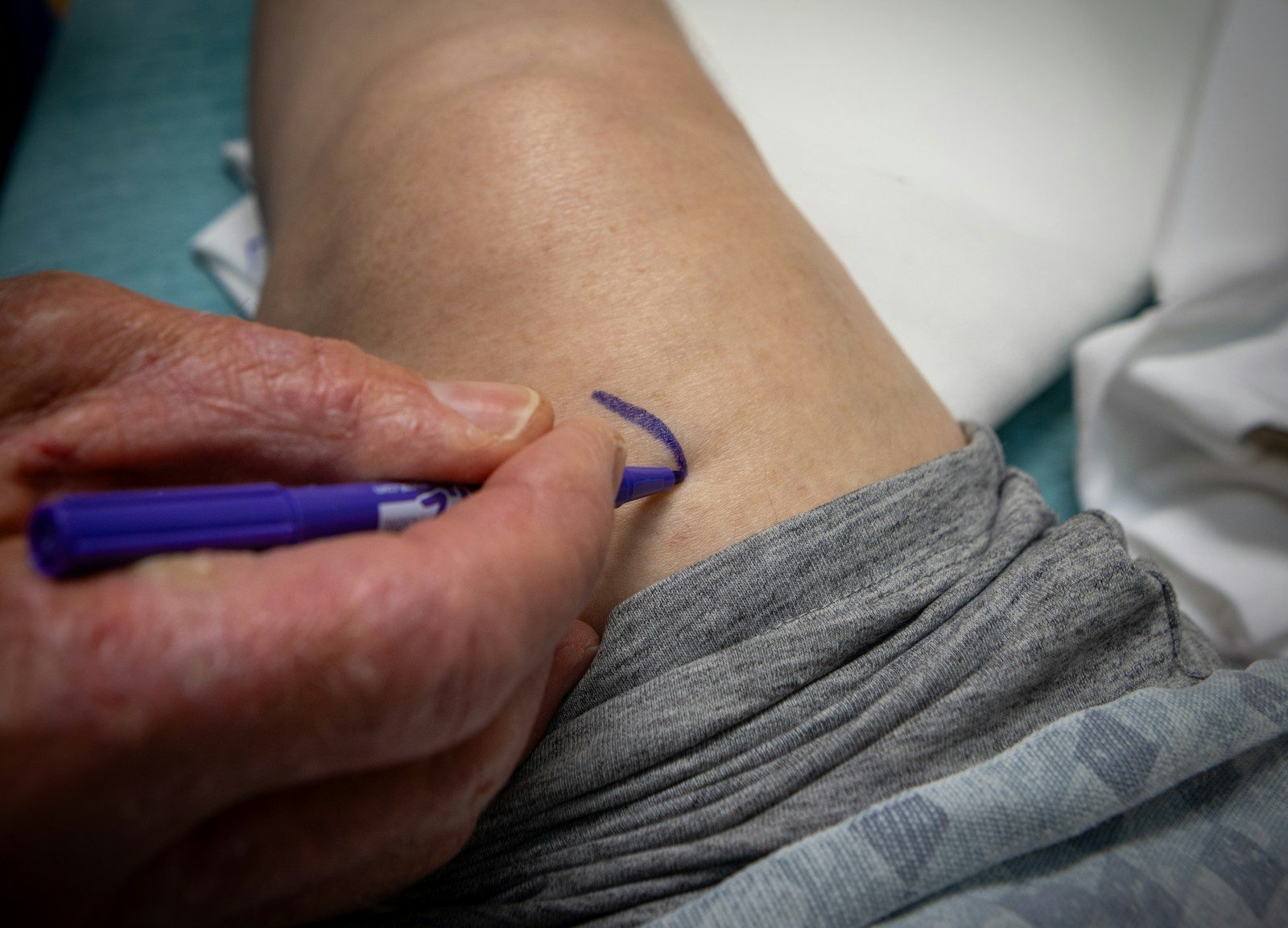
Top 5 Mistakes After Knee Replacement
Knee replacement surgery, also known as knee arthroplasty, is a life-changing procedure that can significantly reduce pain and restore mobility. Whether performed due to advanced osteoarthritis, rheumatoid arthritis, or traumatic injury, this surgery offers renewed independence and improved quality of life. However, the success of the procedure does not rely solely on the operation itself. Recovery plays an equally important role.
Many patients unintentionally delay their healing process by making avoidable errors during rehabilitation. Understanding the top 5 mistakes after knee replacement can help you protect your investment in surgery and achieve optimal long-term results.
In this comprehensive guide, we will explore the most common pitfalls, how to avoid them, and practical strategies to ensure a smooth and successful recovery.
Understanding Knee Replacement Surgery
Before discussing the top 5 mistakes after knee replacement, it’s important to understand what happens during the procedure.
Knee replacement surgery involves removing damaged cartilage and bone from the knee joint and replacing them with artificial components made of metal and medical-grade plastic. The goal is to relieve pain, correct deformity, and restore function.
Recovery typically takes several months, with the first 6–12 weeks being especially critical. During this time, your commitment to rehabilitation, activity modifications, and proper care directly affects your outcome.
Why Post-Surgery Care Is So Important
Many patients believe the surgery alone fixes the problem. In reality, rehabilitation determines how well you regain:
- Strength
- Flexibility
- Balance
- Range of motion
- Long-term joint function
Ignoring medical advice or underestimating recovery requirements can lead to stiffness, prolonged pain, or complications.
Let’s now explore the top 5 mistakes after knee replacement and how to avoid them.
H2: Mistake #1 – Skipping or Not Taking Physical Therapy Seriously
One of the biggest errors patients make is underestimating physical therapy.
Why This Is a Problem
After surgery, your knee becomes stiff and weak. Scar tissue begins forming almost immediately. Without proper movement, the joint can lose flexibility permanently.
Skipping sessions or not performing prescribed exercises can lead to:
- Limited range of motion
- Chronic stiffness
- Muscle weakness
- Delayed recovery
In severe cases, additional procedures may be required to improve mobility.
How to Avoid This Mistake
- Attend all scheduled physical therapy appointments
- Perform home exercises daily
- Push yourself gently but consistently
- Communicate discomfort with your therapist
Consistency is key. Physical therapy may feel uncomfortable at times, but it is essential for full recovery.
Among the top 5 mistakes after knee replacement, neglecting therapy is the most common and most preventable.
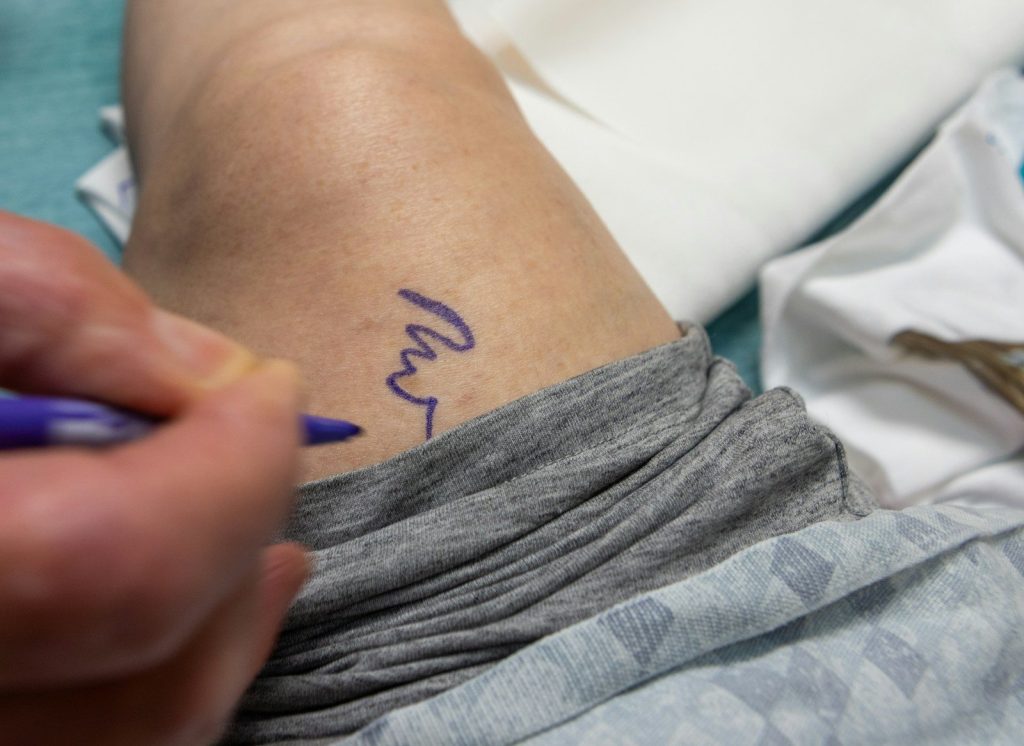
H2: Mistake #2 – Doing Too Much Too Soon
While some patients do too little, others try to return to normal activities too quickly.
Why Overexertion Is Harmful
Your body needs time to heal. Overloading the joint can cause:
- Swelling
- Increased pain
- Inflammation
- Delayed tissue healing
- Risk of implant complications
Patients often feel better after a few weeks and assume they are fully recovered. However, internal healing continues for months.
Warning Signs You’re Overdoing It
- Persistent swelling that doesn’t reduce with rest
- Sharp or increasing pain
- Warmth around the joint
- Extreme fatigue
Balancing activity and rest is critical. Gradual progress is safer and more effective than rushing recovery.
When discussing the top 5 mistakes after knee replacement, overexertion is a close second to skipping therapy.
H2: Mistake #3 – Ignoring Pain, Swelling, or Signs of Infection
Pain is expected after surgery, but not all pain is normal.
When to Be Concerned
Watch for:
- Fever
- Redness spreading around the incision
- Drainage from the wound
- Severe or worsening pain
- Calf pain or swelling (possible blood clot)
Ignoring symptoms can lead to serious complications such as infection or deep vein thrombosis (DVT).
The Importance of Early Intervention
Prompt communication with your surgeon can prevent minor issues from becoming major problems. Never assume discomfort is “just part of healing” if it feels unusual.
Among the top 5 mistakes after knee replacement, failing to monitor warning signs can have the most serious consequences.
H2: Mistake #4 – Not Managing Weight and Lifestyle Factors
Your new knee is strong, but it is not indestructible.
Why Weight Matters
Excess body weight increases pressure on the knee joint. For every extra pound of body weight, the knee experiences several pounds of additional force during walking.
This can:
- Increase implant wear
- Reduce implant lifespan
- Cause persistent pain
- Limit mobility
Lifestyle Habits That Impact Recovery
- Smoking slows healing
- Poor nutrition delays tissue repair
- Sedentary behavior weakens muscles
Adopting a healthier lifestyle protects your joint and enhances overall recovery.
The top 5 mistakes after knee replacement often include neglecting long-term lifestyle adjustments, which can undermine surgical success.
H2: Mistake #5 – Returning to High-Impact Activities Too Soon (or Ever)
Knee replacements are designed for durability, but high-impact sports can damage the implant.
Activities to Avoid or Limit
- Running
- Jumping sports
- High-intensity basketball
- Aggressive skiing
- Contact sports
These activities increase stress on the artificial joint and may shorten its lifespan.
Safer Alternatives
- Walking
- Swimming
- Cycling
- Low-impact aerobics
- Golf
Discuss your activity goals with your surgeon to determine safe options.
Completing the top 5 mistakes after knee replacement, returning to high-impact activities prematurely can compromise your long-term outcome.
Additional Recovery Tips
Beyond avoiding the top 5 mistakes after knee replacement, consider these practical tips:
Follow Medication Instructions Carefully
Take pain medications and blood thinners as prescribed.
Use Assistive Devices Properly
Walkers and canes reduce fall risk and protect your joint during early recovery.
Elevate and Ice Regularly
Managing swelling improves comfort and mobility.
Prioritize Sleep
Healing accelerates when your body is well-rested.
Stay Patient and Positive
Recovery takes time. Setting realistic expectations helps prevent frustration.
Recovery Timeline Overview
Understanding what to expect can reduce anxiety.
Weeks 1–2
- Focus on pain control
- Begin walking with assistance
- Start structured therapy
Weeks 3–6
- Increased strength and flexibility
- Transition away from walker or cane
Weeks 7–12
- Improved endurance
- Return to many daily activities
3–6 Months
- Continued strengthening
- Greater confidence in mobility
Full recovery may take up to a year.
Avoiding the top 5 mistakes after knee replacement during this timeline significantly improves long-term outcomes.
Emotional and Psychological Considerations
Recovery is not only physical. Many patients experience:
- Mood changes
- Frustration
- Temporary depression
- Anxiety about progress
Maintaining realistic expectations and seeking support from family or professionals can make recovery smoother.
Long-Term Success Strategies
To protect your new knee for decades:
- Maintain a healthy weight
- Stay active with low-impact exercise
- Schedule regular follow-ups
- Protect against falls
- Avoid extreme stress on the joint
Patients who avoid the top 5 mistakes after knee replacement typically report higher satisfaction and better functionality years after surgery.
1. How long does swelling last after knee replacement surgery?
Swelling is completely normal after knee replacement surgery and may last several weeks to a few months. Mild swelling can even persist for up to a year, especially after increased activity. Elevating the leg, applying ice, wearing compression stockings, and performing prescribed exercises can significantly reduce swelling and discomfort.
2. When can I walk without assistance after surgery?
Most patients begin walking with a walker or crutches within a day after surgery. Transitioning to a cane typically occurs within 2–4 weeks. Many individuals walk independently by 4–6 weeks, depending on strength, balance, pain control, and commitment to physical therapy exercises.
3. Is stiffness normal months after knee replacement?
Yes, mild stiffness can continue for several months after surgery. The knee is still healing internally, and scar tissue may temporarily limit flexibility. Regular stretching, strengthening exercises, and consistent movement improve range of motion. Persistent severe stiffness should be evaluated by your orthopedic surgeon.
4. Can I climb stairs after knee replacement surgery?
Climbing stairs is possible soon after surgery with proper guidance. Initially, you will use support rails and follow a step-by-step technique taught in therapy. As strength improves over several weeks, stair climbing becomes easier and more natural with reduced discomfort.
5. When is it safe to return to work?
Return-to-work timing depends on your job type. Sedentary desk jobs may be resumed within 4–6 weeks. Physically demanding jobs that require lifting, standing, or heavy activity may require 8–12 weeks or longer. Always follow your surgeon’s recommendations before resuming employment duties.
6. What activities should be avoided after knee replacement?
High-impact activities such as running, jumping, contact sports, and intense aerobics should generally be avoided. These activities place excessive stress on the artificial joint and may shorten implant lifespan. Low-impact exercises like swimming, cycling, and walking are safer long-term alternatives.
7. How long will the knee implant last?
Modern knee implants typically last between 15 and 25 years, sometimes longer with proper care. Longevity depends on body weight, activity level, overall health, and avoiding excessive joint stress. Maintaining a healthy lifestyle significantly increases the lifespan of the replacement.
8. Is it normal to hear clicking sounds in the new knee?
Yes, mild clicking or popping sounds without pain are common after knee replacement. The artificial components may create subtle mechanical noises during movement. If clicking is accompanied by swelling, instability, or pain, consult your surgeon for proper evaluation.
9. What are signs of infection after knee replacement?
Signs of infection include increasing redness, warmth around the incision, fever, unusual drainage, worsening pain, or persistent swelling. Infection is uncommon but serious and requires immediate medical attention. Early treatment greatly improves outcomes and prevents further complications.
10. How can I improve recovery after knee replacement?
Consistent physical therapy, maintaining a healthy weight, proper nutrition, adequate hydration, and avoiding smoking significantly enhance healing. Following medication instructions and attending follow-up appointments are equally important. Staying active with low-impact exercises ensures long-term joint strength and flexibility.
Conclusion
Knee replacement surgery offers a second chance at mobility and comfort, but your recovery journey determines the final outcome. Avoiding the top 5 mistakes after knee replacement—skipping therapy, overexertion, ignoring warning signs, neglecting lifestyle factors, and returning to high-impact activities—can dramatically improve your results.
Healing requires patience, discipline, and consistency. By following medical guidance and staying proactive in your rehabilitation, you protect your new joint and maximize its lifespan.
Your new knee is an investment in your future. Treat it with care, commit to recovery, and you’ll enjoy the benefits for many years to come.
Also Read More https://theglobeandmail.com.mx/