
Hindu Temple Near Me: A Complete Guide to Finding Spiritual Peace and Cultural Connection 2026
Searching for a “Hindu temple near me” is more than just locating a physical place of worship. For millions of devotees and seekers around the world, Hindu temples are sacred spaces that offer spiritual growth, cultural preservation, inner peace, and a sense of community. Whether you are looking to perform daily prayers, attend festivals, seek blessings, or explore Hindu philosophy, temples play a vital role in connecting individuals with Sanatana Dharma.
In this comprehensive guide, we explore what Hindu temples represent, how to find the nearest temple, what to expect during a visit, major rituals and festivals, and why temples remain deeply relevant in modern life.
Understanding the Importance of Hindu Temples
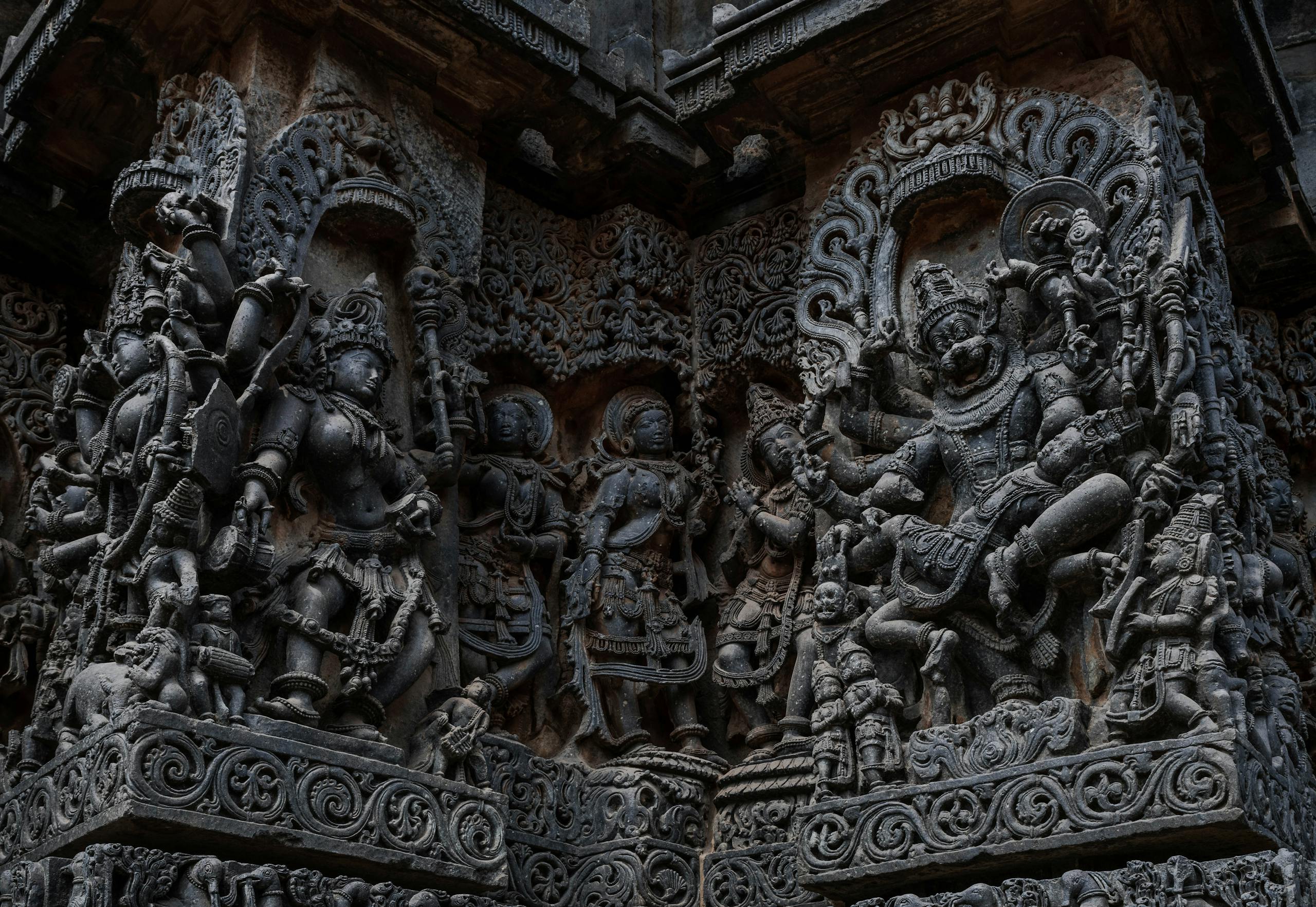
Hindu temples are not merely architectural structures; they are spiritual energy centers designed according to ancient Vedic principles. Hindu Temple Near Me Each temple symbolizes the universe and serves as a bridge between the devotee and the divine.
Temples are dedicated to various Hindu Temple Near Me eities such as Lord Shiva, Lord Vishnu, Goddess Durga, Lord Hanuman, Lord Ganesha, and many others. Every deity represents a specific aspect of cosmic energy, helping devotees focus their devotion and meditation.
When people search for a “hindu temple near me,” they are often seeking:
- Spiritual guidance
- Mental peace and positivity
- Religious rituals and ceremonies
- Cultural roots and traditions
- Community bonding
Why People Search for “Hindu Temple Near Me”
The search term “hindu temple near me” has grown significantly due to increasing awareness of spirituality and the global Hindu diaspora. Here are some key reasons behind this search:
1. Daily Worship and Prayer
Many devotees prefer visiting nearby temples for morning or evening aarti, darshan, and personal prayers.
2. Festivals and Celebrations
Major Hindu festivals such as Diwali, Navratri, Janmashtami, Ram Navami, Maha Shivratri, and Ganesh Chaturthi are best experienced in temples.
3. Life Events and Rituals
Temples are often chosen for:
- Naming ceremonies
- Weddings
- Satyanarayan Puja
- Shraddha and remembrance rituals
4. Meditation and Inner Peace
A calm temple environment provides relief from stress and promotes mindfulness and emotional balance.
How to Find a Hindu Temple Near You
Finding a hindu temple near me has become easier thanks to technology and community networks.
Use Online Maps and Search Engines
Typing “hindu temple near me” in Google Maps or any search engine instantly shows nearby temples with directions, reviews, and timings Hindu Temple Near Me
Temple Websites and Social Media
Many temples maintain official websites or Facebook pages sharing schedules, events, and announcements.
Community Recommendations
Local Hindu communities, cultural organizations, and friends are excellent sources of authentic recommendations.
Travel and Religious Apps
Some apps specialize in locating religious places, including temples, ashrams, and pilgrimage centers.
Common Features of a Hindu Temple
When you visit a Hindu temple near you, you will notice several distinctive elements that reflect ancient traditions.
Sanctum Sanctorum (Garbhagriha)
This is the innermost chamber where the main deity resides. It is considered the most sacred area.
Mandapa (Prayer Hall)
Devotees gather here for prayers, bhajans, and religious discourses.
Temple Tower (Shikhara or Gopuram)
These towering structures symbolize spiritual ascent and are often richly decorated.
Bells, Lamps, and Incense
Ringing bells and lighting lamps are symbolic acts meant to awaken spiritual consciousness.
Types of Hindu Temples You May Find Nearby
Depending on your location, a hindu temple near me search may lead to different types of temples:
Shiva Temples
Dedicated to Lord Shiva, focusing on meditation, transformation, and inner strength.
Vishnu and Krishna Temples
Emphasizing devotion, righteousness, and divine love.
Shakti Temples
Worshiping the Divine Mother in forms like Durga, Kali, or Lakshmi.
Hanuman Temples
Known for fostering courage, discipline, and devotion.
ISKCON and Community Temples
These often include cultural programs, yoga sessions, and educational classes.

What to Expect When Visiting a Hindu Temple
If you are visiting a temple for the first time, understanding basic etiquette can enhance your experience.
Dress Modestly
Traditional or modest clothing is encouraged as a sign of respect.
Remove Footwear
Shoes are removed before entering the temple premises.
Follow Temple Customs
Some temples have specific rules regarding photography, offerings, or entry into sanctum areas.
Participate Respectfully
You may join aarti, chant mantras, or silently meditate.
Role of Hindu Temples in Modern Life
Even in today’s fast-paced world, Hindu temples remain highly relevant.
Cultural Preservation
Temples teach languages, scriptures, classical music, dance, and philosophy.
Community Support
They often serve as centers for charity, food distribution, and social service.
Mental and Emotional Well-being
Regular temple visits can reduce stress, promote gratitude, and encourage positive thinking.
Spiritual Education
Discourses, Bhagavad Gita classes, and youth programs help pass traditions to future generations.
Hindu Temples Outside India
For many living abroad, searching “hindu temple near me” brings comfort and familiarity. Hindu temples across the USA, UK, Canada, Australia, and the Middle East act as cultural anchors for the diaspora.
These temples often combine:
- Multiple deities under one roof
- Multilingual services
- Interfaith and cultural events
They play a vital role in keeping Hindu traditions alive globally.
Benefits of Visiting a Hindu Temple Regularly
Regular visits to a nearby Hindu temple can offer profound benefits:
- Improved mental clarity and peace
- Stronger spiritual discipline
- Sense of belonging and identity
- Positive influence on daily life decisions
- Opportunities for seva (selfless service)
FAQs About Hindu Temple Near Me
What does “hindu temple near me” mean?
It refers to a nearby place of Hindu worship where devotees can pray, perform rituals, and attend religious events.
Can non-Hindus visit Hindu temples?
Yes, most Hindu temples welcome people of all backgrounds, provided they respect temple customs.
Are Hindu temples open every day?
Most temples are open daily, though timings may vary depending on rituals and festivals.
What offerings can I bring to a Hindu temple?
Common offerings include flowers, fruits, sweets, incense, and coconuts. Some temples also accept donations.
How do I know the temple timings?
Temple timings are usually listed on Google Maps, official websites, or notice boards at the temple entrance.

Is there any fee to enter a Hindu temple?
Entry is generally free, though donations are voluntary and encouraged.
Here are 13 frequently asked questions (FAQs) related to the search keyword “Hindu Temple Near Me”, covering how to find one, what to expect when visiting, etiquette, and common practical details. These are based on typical queries people have when looking for nearby Hindu temples (mandirs), especially in places like the US or other countries with diaspora communities.
- How do I find a Hindu temple near my location?
Use Google Maps or search “Hindu temple near me” on Google — it pulls up local results with addresses, directions, ratings, and hours. Websites like Yelp, temple directories (e.g., state-wise lists for the US), or apps like Hindu Temple Finder also help. In many cities, temples are in areas with Indian communities. - Are Hindu temples open to everyone, including non-Hindus?
Yes, most Hindu temples welcome visitors of any background or faith. They are open spaces for darshan (viewing the deities), prayer, and learning. Some may ask about your intent if it’s a very traditional or remote temple, but generally, all are invited with respect. - What should I wear when visiting a Hindu temple?
Dress modestly and conservatively — cover shoulders and knees. Avoid shorts, sleeveless tops, or revealing clothes. Traditional Indian attire is ideal but not required; comfortable loose clothing works. Remove shoes before entering (socks are usually fine). - Do I need to take a bath or shower before visiting?
It’s traditional and respectful to be clean — many people shower or bathe beforehand. It’s not strictly enforced for casual visitors, but arriving fresh shows reverence. - What etiquette should I follow inside the temple?
Be calm and quiet. Walk clockwise (pradakshina) around shrines if circling them. Use your right hand for offerings. Avoid touching deities or shrines (only priests do). Turn off phones or set to silent. No photography in many inner sanctums. - Should I bring offerings or donations?
It’s common but optional. Bring flowers, fruit, or sweets to offer (give to the priest for placement). Donations via the hundi (donation box) support the temple — any amount is appreciated, often $5–20 for special pujas. - What happens during a typical visit (darshan)?
You’ll see deities in shrines, hear chanting or bells, and may witness aarti (lamp offering). Join queues for darshan, bow or fold hands in namaste, and receive prasad (blessed food like sweets). Some temples have community halls for events. - Are there specific times or best days to visit?
Temples are usually open daily, with peak crowds on weekends, evenings, or festivals (e.g., Diwali, Holi, Navratri). Mondays (for Shiva) or Tuesdays/Fridays (for various deities) are popular. Check the temple’s website or Google for exact hours. - Can children or families visit?
Absolutely — temples are family-oriented. Kids are encouraged, and many have youth programs, cultural classes, or kid-friendly events. It’s a great way to introduce heritage or spirituality. - Do Hindu temples in non-India countries (like the US) differ from those in India?
Yes — many are community centers with multiple deities under one roof (e.g., Vishnu, Shiva, Ganesha), plus halls for events, classes, or food (langar/prasad). They often follow South or North Indian styles but adapt to local needs. - Is there food or canteen available at temples?
Many have canteens serving vegetarian prasadam or meals (e.g., South Indian dosa, snacks). It’s often affordable or donation-based. Some warn about hygiene in reviews, so check recent feedback. - What if I’m new to Hinduism and have questions?
Feel free to ask priests, volunteers, or temple staff — they’re usually welcoming. Many temples offer guided tours, especially for newcomers or educational purposes. Observe others and follow along respectfully. - Why visit a Hindu temple near me?
For peace, blessings, cultural connection, meditation, or community. Even non-Hindus find it serene and insightful. Temples provide spiritual recharge, festivals, and a sense of belonging — many say it leaves you feeling calmer.
If you’re searching right now, try Google Maps with your location for instant results (e.g., in areas like Punjab or diaspora spots, temples may be listed with timings). Let me know your city for more specific suggestions!
Conclusion: Finding a Hindu Temple Near Me Is a Journey Within
Searching for a “hindu temple near me” is not just about geography—it is about reconnecting with spirituality, culture, and inner harmony. Hindu temples serve as timeless sanctuaries where ancient wisdom meets modern life, offering peace, purpose, and community.
Whether you are a lifelong devotee or a curious seeker, visiting a nearby Hindu temple can enrich your life in countless ways. In a world full of distractions, temples remind us to pause, reflect, and align with higher values. Finding a Hindu temple near you might just be the first step toward a deeper spiritual journey.
ALSO READ MORE Empowering Employers and Job Seekers: The Role of a Global Skills Gosford Wage Subsidy Support Workern