Akrylika (Acrylic Art): A Complete Guide to Acrylic Paint and Its Creative World
Introduction
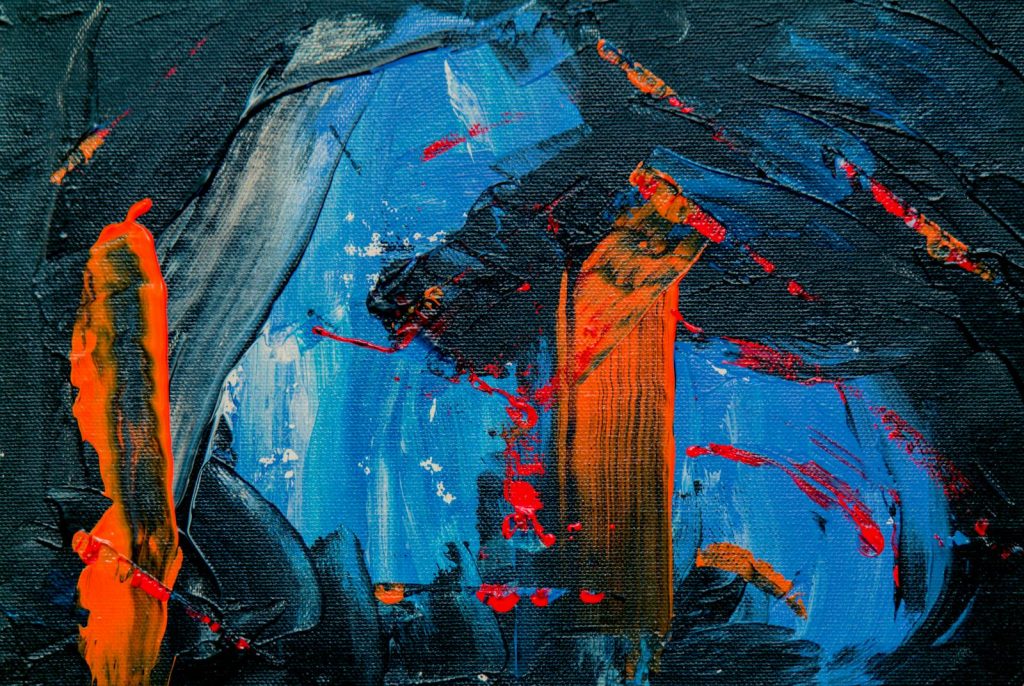
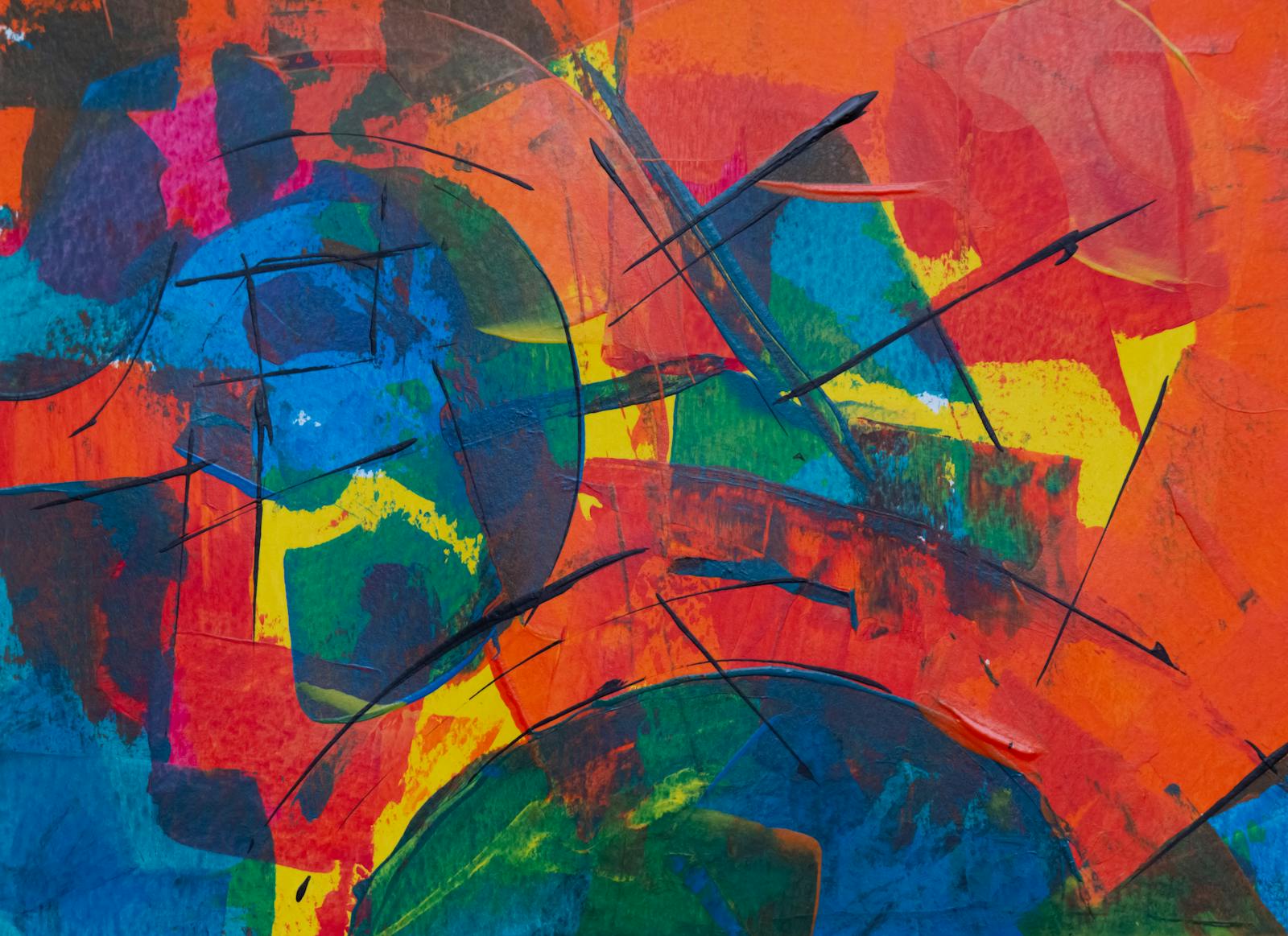
Akrylika, commonly known as acrylic art or acrylic painting, is one of the most popular and versatile forms of modern art. Acrylic paint has revolutionized the art world because of its fast-drying nature, vibrant colors, durability, and adaptability. From beginners to professional artists, acrylics are widely loved for their flexibility and ease of use.
In today’s art scene, akrylika is not limited to canvas painting only. It is used in murals, home décor, fashion design, nail art, craft projects, abstract art, realism, and even mixed media artworks. This article explores the history, composition, techniques, advantages, uses, and future of acrylic art in detail.
History of Acrylic Paint
Acrylic paint is a relatively modern invention compared to oil and watercolor paints.
- Acrylic resins were first developed in the early 20th century
- In the 1940s and 1950s, artists began experimenting with synthetic paints
- By the 1960s, acrylic paint became commercially available and widely accepted
Famous artists like Andy Warhol, David Hockney, and Mark Rothko embraced acrylics due to their bold colors and fast drying time. Over time, acrylic painting gained popularity among hobbyists, students, and professional artists alike.
What Is Akrylika (Acrylic Paint)?
Acrylic paint is made from:
- Pigments (for color)
- Acrylic polymer emulsion (as a binder)
- Water (as a solvent)
When the paint dries, the water evaporates, leaving behind a flexible, water-resistant layer of color. Once dry, acrylic paint becomes permanent and durable, similar to plastic.
Key Characteristics of Acrylic Paint
1. Fast Drying
Acrylic paint dries much faster than oil paint, making it ideal for quick projects and layered artwork.
2. Water-Based
While wet, acrylics can be thinned and cleaned with water. No harsh chemicals are needed.
3. Bright and Vibrant Colors
Acrylic pigments are strong and retain their color even after drying.
4. Versatility
Acrylics can imitate:
- Oil painting (thick texture)
- Watercolor (thin washes)
- Mixed media effects
5. Strong Adhesion
Acrylic paint sticks well to many surfaces including canvas, wood, paper, fabric, plastic, and metal.
Types of Acrylic Paint
1. Heavy Body Acrylics
- Thick consistency
- Ideal for texture and palette knife work
2. Soft Body Acrylics
- Smooth and fluid
- Good for detail work and blending
3. Fluid Acrylics
- Very thin but highly pigmented
- Used for pouring and abstract art
4. Acrylic Gouache
- Matte finish
- Opaque and smooth like traditional gouache
5. Open Acrylics
- Slow drying
- Suitable for artists who prefer oil-like blending time
Acrylic Painting Tools and Materials
Essential Supplies
- Acrylic paints
- Canvas or acrylic paper
- Brushes (synthetic preferred)
- Palette
- Water container
- Palette knives
- Cloth or paper towels
Optional Tools
- Sponges
- Spray bottles
- Pouring medium
- Gel mediums
- Texture pastes
Acrylic Painting Techniques
1. Dry Brush Technique
Uses very little paint to create rough textures and highlights.
2. Layering
Because acrylic dries fast, artists can build layers quickly without muddy colors.
3. Glazing
Thin transparent layers add depth and richness to artwork.
4. Pouring Technique
Paint is poured directly onto the surface to create abstract patterns.
5. Impasto
Thick paint application creates raised textures and bold strokes.
6. Blending
Although acrylic dries fast, blending is possible with practice and mediums.
Surfaces for Acrylic Painting
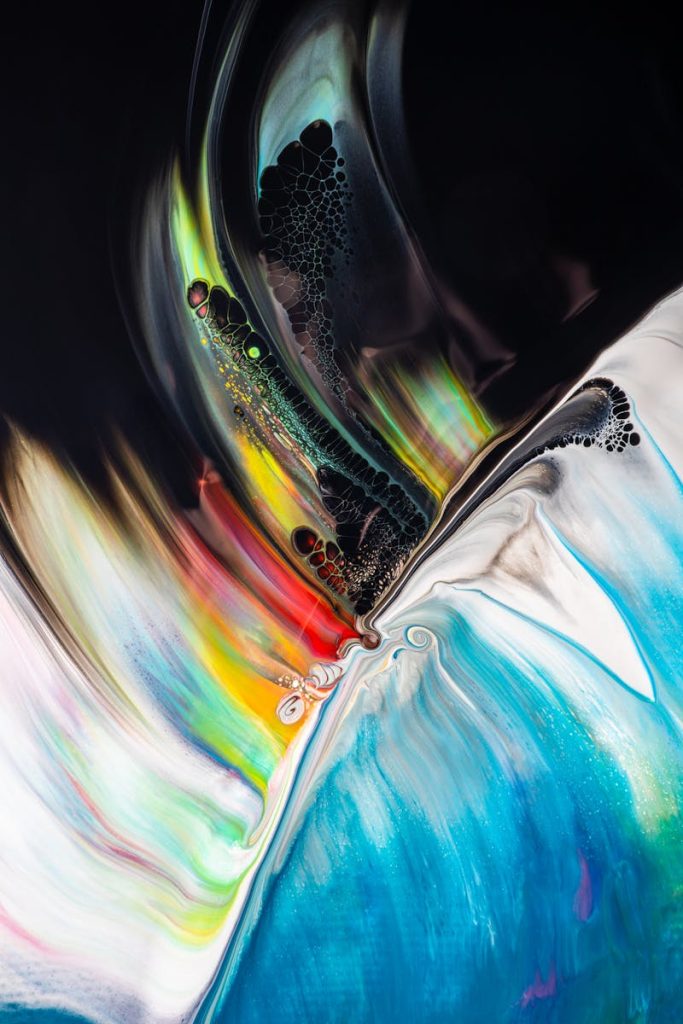
Acrylic paint works on many surfaces, including:
- Canvas
- Paper
- Wood
- Fabric
- Glass
- Ceramics
- Walls (murals)
This versatility makes akrylika ideal for both fine art and decorative purposes.
Advantages of Acrylic Art
1. Beginner Friendly
Easy to use and clean, perfect for new artists.
2. Affordable
Acrylic supplies are generally cheaper than oil paints.
3. Safe
No toxic fumes like oil paint solvents.
4. Long-Lasting
Once dry, acrylic paintings are resistant to water and fading.
5. Creative Freedom
Artists can experiment without fear of damaging their work.
Disadvantages of Acrylic Paint
While acrylic paint has many benefits, it also has some limitations:
- Dries too fast for some artists
- Hard to blend once dry
- Colors may darken slightly after drying
- Difficult to remove once dried
However, most of these issues can be managed with experience and proper techniques.
Acrylic Art Styles
1. Abstract Art
Bold shapes, colors, and textures dominate acrylic abstract art.
2. Realism
Acrylics can achieve realistic effects similar to oil painting.
3. Impressionism
Loose brushstrokes and expressive color use.
4. Modern and Contemporary Art
Widely used in modern artistic expression.
5. Decorative and Craft Art
Used in home décor, murals, and DIY projects.
Acrylic Painting in Home and Fashion
Akrylika is not limited to galleries:
- Wall murals
- Furniture painting
- Canvas décor
- Custom shoes and jackets
- Textile design
- Nail art
Acrylic paint has become an essential tool in creative industries.
Care and Preservation of Acrylic Paintings
To protect acrylic artwork:
- Keep away from direct sunlight
- Avoid high humidity
- Clean gently with a dry cloth
- Apply varnish for protection
Proper care ensures acrylic paintings last for decades.
Acrylic Art for Beginners
Tips for beginners:
- Start with limited colors
- Practice brush control
- Learn basic color mixing
- Experiment with textures
- Don’t fear mistakes
Acrylic art is forgiving and perfect for learning.
Acrylic Art in Education
Schools and art institutions widely use acrylic paints because:
- Safe for students
- Easy cleanup
- Encourages creativity
- Suitable for all age groups
It helps students develop imagination and artistic confidence.
Environmental Impact
Modern acrylic paints are becoming more eco-friendly:
- Low-VOC formulas
- Non-toxic pigments
- Sustainable packaging
Artists are encouraged to dispose of acrylic waste responsibly.
Future of Akrylika (Acrylic Art)
The future of acrylic art is bright:
- Digital and acrylic mixed media
- Large-scale murals
- Experimental textures
- Eco-friendly innovations
Acrylic art continues to evolve with technology and artistic trends.
Conclusion
Akrylika, or acrylic art, has transformed the way artists express creativity. Its versatility, accessibility, and vibrant results make it one of the most loved art mediums in the world. Whether used by beginners, professionals, or hobbyists, acrylic paint offers endless possibilities.
From traditional canvas paintings to modern abstract designs, acrylic art continues to shape contemporary visual culture. With practice, imagination, and experimentation, akrylika becomes not just a medium—but a powerful language of art.